
Starting a stone crusher plant can be a highly profitable venture, especially in regions with booming construction and infrastructure development. However, one of the first and most important steps in planning is understanding how to calculate stone crusher plant cost. This involves not just the price of machinery, but also expenses for installation, operation, maintenance, and legal compliance. For investors in different regions, whether considering a stone crusher Philippines project or a stone crusher plant in Chile, precise cost estimation ensures better financial planning and higher returns.
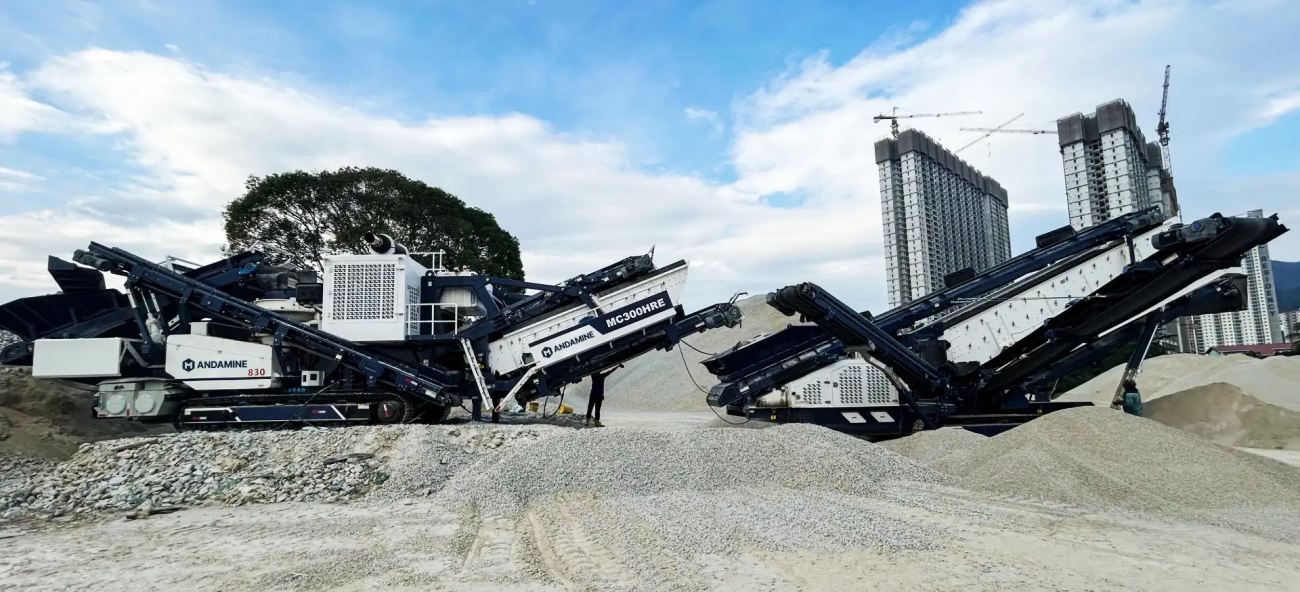
Understanding the Components of Stone Crusher Plant Cost
A stone crusher plant’s cost is typically divided into several main categories:
Land and Site Preparation – The location you choose greatly affects costs. A remote quarry site may require road construction, power supply, and water connections, increasing expenses. Urban or semi-urban areas may have higher land prices but lower infrastructure setup costs.
Machinery and Equipment – The cost of crushing machinery is the largest part of the total investment. A complete plant usually includes:
Jaw crushers for primary crushing
Cone crushers or impact crushers for secondary and tertiary crushing
Vibrating screens for material separation
Conveyors, feeders, and hoppers for material handling
Control panels and optional automation systems
The choice of equipment depends on the production capacity, raw material type, and desired aggregate size. For instance, a stone crusher Philippines project may favor compact, high-efficiency machines suited for tropical climates and frequent maintenance.
Installation and Commissioning – Beyond purchasing machines, the cost of assembling, aligning, and testing the plant must be factored in. Proper installation ensures maximum efficiency and reduces long-term maintenance costs.
Operational Expenses – This includes labor, energy consumption, spare parts, lubricants, and routine maintenance. Energy efficiency plays a critical role in reducing ongoing costs. Modern plants with automation can reduce labor costs while maintaining higher output.
Legal and Environmental Compliance – Obtaining licenses, permits, and environmental clearances is mandatory in most countries. Regulations on dust control, noise management, and waste disposal may add to initial costs but help avoid fines or shutdowns.
Transportation and Logistics – The proximity of raw material sources (stone quarries) and transportation networks impacts the overall cost. Transporting crushed aggregates to construction sites can significantly affect profitability.
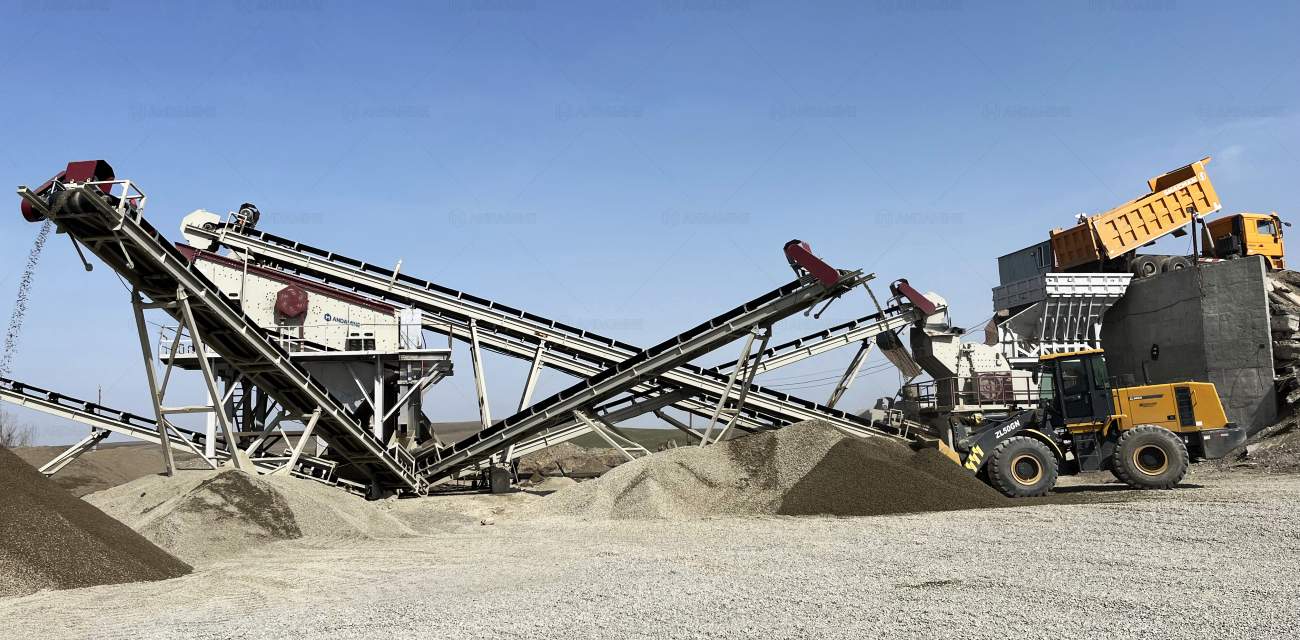
Calculating Machinery Cost
The machinery cost is determined by plant capacity, type, and technology. Here’s a rough breakdown for reference:
-
Small capacity plant (30–50 TPH): $40,000–$70,000
-
Medium capacity plant (100–150 TPH): $120,000–$200,000
-
Large capacity plant (200–500 TPH): $250,000–$500,000
For a stone crusher plant in Chile, international shipping, import taxes, and local installation fees must be considered in addition to machine prices. It’s advisable to contact multiple suppliers for quotations and compare technical specifications to get the best value.
How to Start Stone Crusher Plant
Starting a stone crusher plant involves careful planning and strategic steps:
Market Research – Understand demand for construction aggregates in your target region. Analyze competitor pricing, project types, and potential clients like contractors or government infrastructure projects.
Site Selection – Choose a location near raw material sources to minimize transportation costs. Ensure access to roads, electricity, and water.
Business Plan and Financing – Prepare a detailed business plan outlining investment, operating costs, expected revenue, and ROI. Decide on financing options such as loans, investors, or personal capital.
Legal Requirements – Obtain necessary permits and licenses. Compliance with environmental regulations is crucial for long-term operations.
Equipment Selection – Select machines based on the desired production capacity, material type, and plant layout. Consider automation for better efficiency and cost control.
Installation and Training – Hire experienced engineers for installation and train operators to ensure safe and efficient operations.
Operational Optimization – Regularly monitor production, energy consumption, and maintenance schedules to reduce operational costs. Adjust production strategies according to market demand.
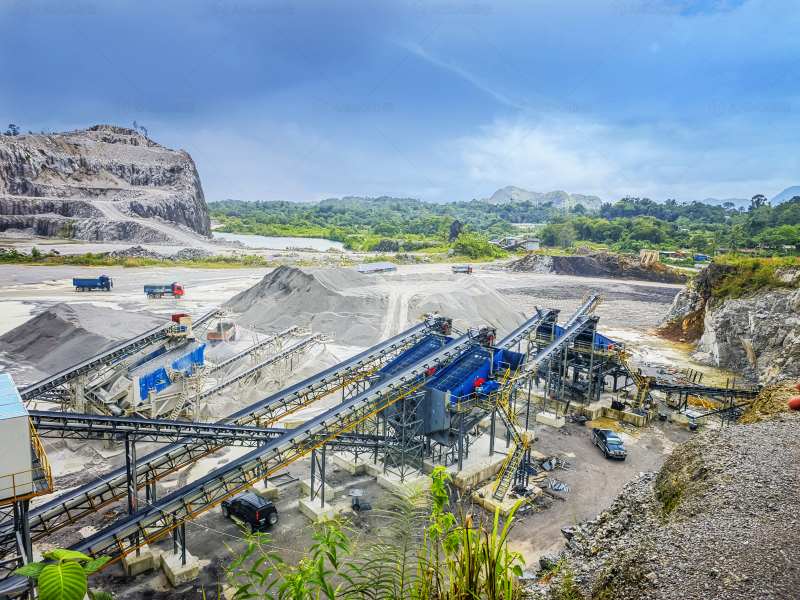
Regional Considerations
The cost of setting up a stone crusher plant varies by region. For instance:
-
In the Philippines, high humidity and tropical conditions require corrosion-resistant equipment and regular maintenance. Labor costs are relatively affordable, but import taxes may increase machinery costs.
-
In Chile, a stone crusher plant must comply with strict environmental regulations, which can add to initial costs. However, access to large mining resources can reduce raw material transportation expenses.
Strategies to Reduce Stone Crusher Plant Cost
-
Choose Modular or Mobile Plants – Mobile plants reduce land preparation and construction costs.
-
Invest in Energy-Efficient Equipment – Modern crushers and conveyors can reduce electricity consumption.
-
Plan Preventive Maintenance – Reduces unplanned downtime and repair expenses.
-
Negotiate Supplier Packages – Many manufacturers offer bundled solutions including installation, training, and spare parts.
Conclusion
Calculating stone crusher plant cost requires a comprehensive approach, taking into account machinery, installation, operation, compliance, and logistics. By carefully evaluating these factors, investors can make informed decisions on how to start stone crusher plant operations, whether in Chile, the Philippines, or other regions. Prioritizing efficient equipment, strategic planning, and cost optimization ensures a profitable, sustainable, and well-managed stone crushing business.