
Choosing the right capacity for a mobile concrete plant is one of the most critical decisions for contractors handling small and medium-sized projects across Latin America. While 30 cubic meter per hour and 60 cubic meter per hour models are both widely used, their suitability depends on far more than just output numbers. Project scale, logistics, labor structure, financing, and regional infrastructure all influence whether a 30m³ or 60m³ unit delivers better operational efficiency and return on investment.
For contractors managing municipal roadworks, housing developments, commercial foundations, or remote infrastructure projects, understanding the real-world selection logic behind these two capacities of mobile concrete plant(planta de hormigón móvil) can prevent overspending, underperformance, or operational bottlenecks. This guide provides a structured comparison to help decision-makers choose wisely.
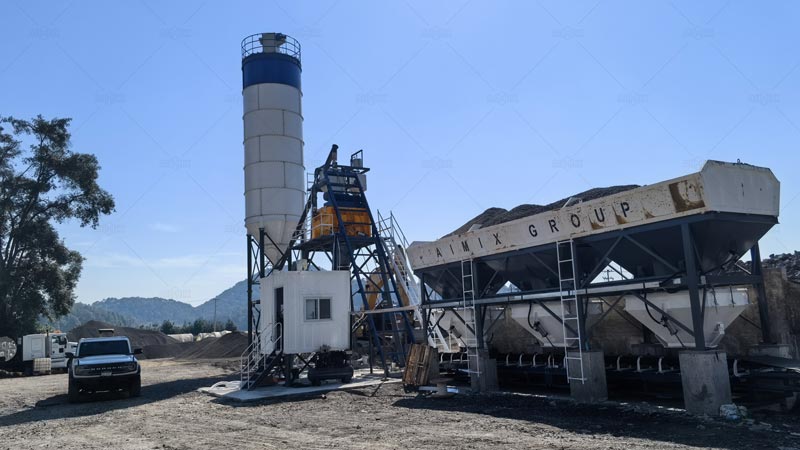
Understanding the Capacity Difference Beyond Output
At first glance, the difference between 30m³/h and 60m³/h seems straightforward: one produces twice as much concrete per hour. However, practical performance depends on cycle time, batching accuracy, aggregate feeding efficiency, and site coordination. A concrete mixing plant(planta hormigonera) rated at 60m³/h does not automatically mean consistent 60m³ hourly production unless the project logistics support it.
30m³ Mobile Concrete Plant: Compact and Flexible
A 30m³ small concrete plant is typically chosen for projects with moderate daily demand, restricted space, or limited budget. Its advantages include:
- Lower initial investment cost.
- Simpler foundation requirements.
- Reduced power consumption.
- Faster transportation between sites.
- Lower manpower requirements.
This configuration works particularly well for rural road repairs, small residential developments, drainage systems, and short-term municipal contracts.
60m³ Mobile Concrete Plant: Higher Throughput and Scalability
A 60m³ mobile concrete plant is often selected when project schedules are tight or daily output exceeds 400–500m³. It provides:
- Higher batching efficiency for continuous pouring.
- Better support for large foundation slabs.
- Improved suitability for infrastructure projects.
- Greater long-term revenue potential.
However, the larger capacity also requires stronger power supply, larger aggregate stock areas, and more coordinated logistics.
Project Scale and Daily Concrete Demand
The most important selection criterion is daily concrete demand rather than peak hourly capacity. Many contractors overestimate required output, leading to underutilized equipment.
When 30m³ Is the Rational Choice
If daily production averages between 150m³ and 300m³, a 30m³ concrete mixing plant can comfortably meet demand with two working shifts. In many Latin American towns, especially in secondary cities or rural provinces, projects rarely require continuous high-volume pouring.
For example, mid-sized housing developments in Colombia often operate in phased construction schedules. In such cases, a concrete plant Colombia contractors deploy may benefit more from flexibility than maximum output.
When 60m³ Becomes Necessary
Infrastructure works such as highways, bridges, industrial warehouses, and airport pavements often require sustained pouring over extended hours. In these scenarios, a 60m³ mobile concrete plant prevents project delays and reduces dependency on external suppliers.
If concrete demand consistently exceeds 400m³ per day, the 60m³ configuration typically provides better scheduling stability.
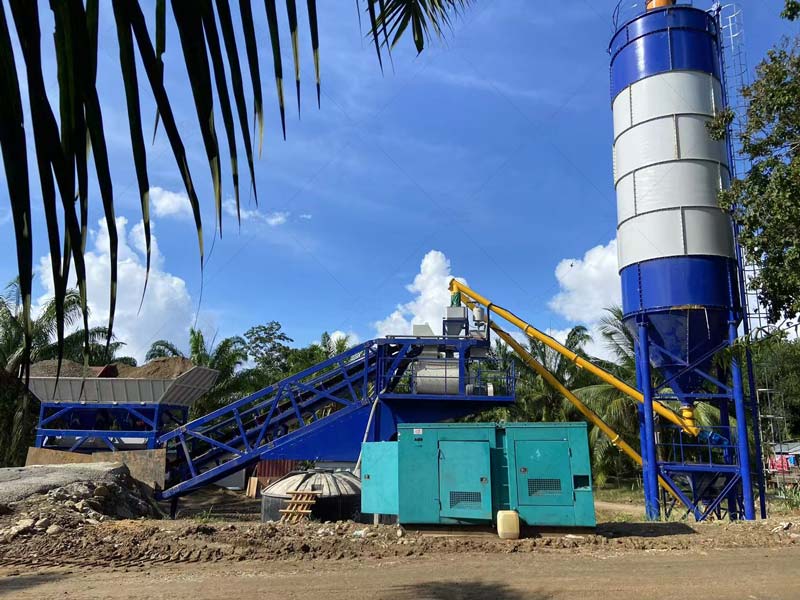
Transportation and Site Conditions in Latin America
Geographic diversity plays a decisive role in plant selection. Mountainous terrain, limited road access, and unstable soil conditions are common across parts of Peru, Colombia, Ecuador, and Bolivia.
Mobility and Setup Time
A 30m³ small concrete plant(planta de concreto pequeña) generally has fewer modules and lighter structural components. This simplifies transportation over narrow rural roads and reduces crane requirements during installation.
By contrast, a 60m³ concrete mixing plant often requires more preparation, including stable ground compaction and expanded storage zones.
Power Supply Considerations
In remote regions, stable electricity can be a challenge. A 30m³ mobile concrete plant consumes less power and can operate more easily with generator support. A 60m³ plant may require upgraded transformers or higher generator capacity, increasing operational costs.
Budget, ROI, and Financing Strategy
Capacity decisions must align with capital expenditure planning and expected payback periods.
Initial Investment Comparison
A 60m³ plant typically costs significantly more than a 30m³ small concrete plant. Besides equipment price, buyers must consider:
- Transportation costs.
- Foundation preparation.
- Electrical installation.
- Additional silos or storage bins.
For contractors entering the ready-mix market for the first time, starting with a 30m³ unit reduces financial risk.
Revenue and Growth Potential
However, if long-term contracts are secured, particularly in urban areas like Bogotá or Medellín, investing in a higher-capacity concrete plant Colombia(plantas de concreto Colombia) operators rely on may yield stronger returns through larger supply volumes.
The key is matching plant output with confirmed demand rather than speculative growth.
Operational Efficiency and Labor Structure
Human resources and technical expertise also influence plant selection.
Workforce Requirements
A 30m³ mobile concrete plant typically requires fewer operators and simpler coordination. Maintenance routines are easier, and spare parts inventory is smaller.
Conversely, a 60m³ concrete mixing plant demands more disciplined batching management, consistent aggregate supply, and tighter truck scheduling to prevent idle cycles.
Maintenance and Downtime Risks
Larger capacity plants experience higher mechanical stress under continuous production. Preventive maintenance must be strictly scheduled to avoid breakdowns that could halt large pours.
Smaller plants may operate at more moderate loads, potentially extending component lifespan if properly maintained.
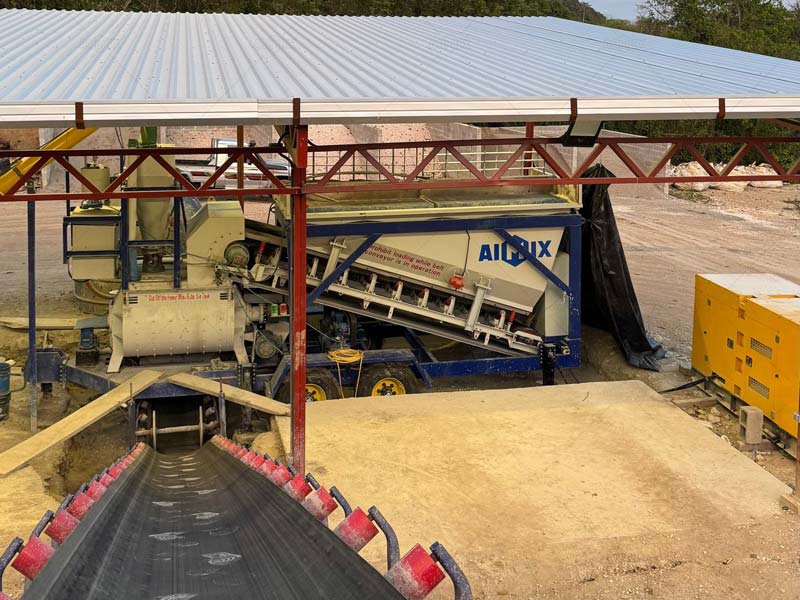
Strategic Decision Framework
Rather than asking “Which capacity is better?”, contractors should evaluate five core factors:
- Average daily concrete demand.
- Project duration.
- Site accessibility and infrastructure.
- Available power supply.
- Confirmed contract pipeline.
If projects are short-term, geographically scattered, and moderate in scale, a 30m³ small concrete plant often provides the optimal balance between cost and performance.
If projects are centralized, high-volume, and time-sensitive, a 60m³ mobile concrete plant offers stronger production security.
Conclusion
The choice between 30m³ and 60m³ capacity is not simply a matter of output—it is a strategic operational decision shaped by real-world conditions in Latin America. For contractors managing municipal, residential, or rural projects, a 30m³ concrete mixing plant often delivers sufficient productivity with lower financial exposure.
For larger infrastructure or industrial developments requiring sustained high-volume production, a 60m³ mobile concrete plant provides greater throughput and scheduling stability. Ultimately, aligning equipment capacity with verified demand, logistics capability, and long-term business strategy ensures sustainable profitability.
Whether investing in a concrete plant Colombia or expanding operations elsewhere in the region, careful evaluation of project scale and operational constraints will determine which capacity truly meets your needs.